

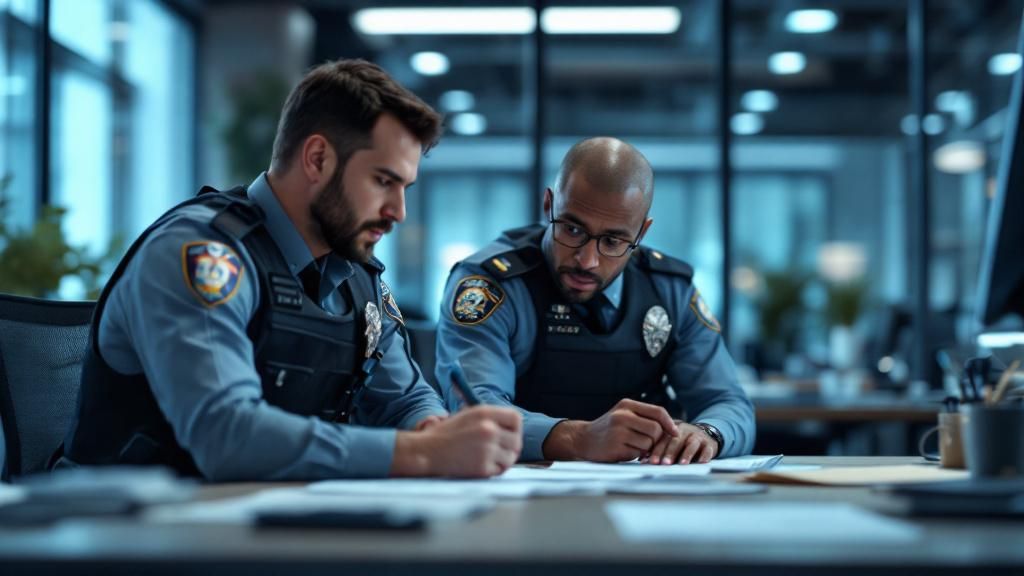
Police forces across the country are receiving specialist support from a new national democracy protection unit to tackle the escalating wave of threats and abuse targeting Members of Parliament. Police chief Chris Balmer has been appointed to lead the initiative, tasked with helping forces investigate and combat what officials are describing as “anti-democratic crimes”. The move comes as reports of offences against MPs have more than doubled since 2019, totalling nearly 1,000 last year. Security Minister Dan Jarvis characterised the situation as without precedent, stating that “the volume, breadth and tempo of threats targeting elected officials” has reached alarming levels. The announcement highlights mounting concerns about the security of politicians and the declining standard of debate concerning Parliament.
The Scale of the Emergency
The figures paint a stark picture of the mounting danger threatening MPs. Data released to the BBC shows that between 2019 and 2025, MPs logged 4,064 crimes to the Met Police’s Parliamentary Liaison Team. The year-on-year increases have been unrelenting, with 976 offences documented in 2025 versus just 364 in 2019. This near-triple increase reveals a troubling trend that has sparked swift intervention from the senior ranks of law enforcement and government authorities.
The nature of the crimes being reported is extremely alarming. Hostile correspondence lead the statistics, representing 2,066 offences throughout the six years, followed by damage to property and harassment. Perhaps most disturbingly, death threats have increased sharply, with 50 documented in 2025 alone, against 31 the year before. Several MPs have told the BBC that such threats have grown routine, yet significant numbers remain unreported to police, implying the actual extent of the situation could be far worse than formal data suggest.
- Abusive content comprised the primary classification of documented crimes.
- Death threats rose from 31 in 2024 to 50 in 2025.
- Many MPs do not report threats they get to police authorities.
- Violent crime incidents stayed fairly limited but display spikes during election years.
Democracy Protection Portfolio Emerges
Chris Balmer, the police leader chosen to head the newly established national unit for democracy protection, has been assigned a broad mandate to confront the crisis frontally. His appointment constitutes a significant escalation in the police action to risks to Members of Parliament, raising the issue to a national level rather than letting local forces to handle situations in separation. The establishment of this specialist unit signals that authorities now regard anti-democratic crimes as a distinct category requiring specialist knowledge and shared intelligence coordination across all police forces in England, Wales, Scotland and Northern Ireland.
The establishment of this portfolio occurs at a crucial juncture for British democracy. With threatening messages growing commonplace and coordinated abuse escalating in sophistication, the government and police leadership have acknowledged that existing methods are not enough. The unit will serve as a focal point for intelligence, guidance and support, allowing police forces to react with greater effectiveness the escalating threat environment. By pooling skills and capabilities, the initiative aims to dismantle barriers that have historically hindered joined-up action to what is now acknowledged as a structural problem to the security of public officials.
Chris Balmer’s Scope of Authority
Balmer’s role encompasses three key responsibilities designed to improve police operations across the country. Firstly, he will manage information about threats to politicians, establishing a unified assessment of developing trends and dangerous persons. Secondly, he will advise police forces on appropriate categorization of crimes against democracy, ensuring consistency in how cases are logged and ranked. Thirdly, he will deliver specialized guidance to officers looking into accused persons, utilising expertise to build stronger cases and increase successful prosecutions.
The appointment underscores the seriousness with which the government now regards the threat to democratic institutions. Security Minister Dan Jarvis personally wrote to Balmer emphasising the significance of staying abreast of the evolving nature of threats and abuse. This direct ministerial involvement indicates governmental dedication to backing the police response, guaranteeing that the new unit has the backing and resources required to succeed in its difficult remit.
Personal Burden on Elected Officials
Behind the statistics of escalating danger lies a profoundly concerning reality for MPs and their families. Many elected representatives now live with persistent anxiety, implementing robust precautions to protect themselves and their loved ones. The psychological impact of getting threatening messages has turned into a routine risk of contemporary political life, with MPs reporting that such harassment has become commonplace. Yet in spite of how often these incidents happen, many choose not to inform the authorities, indicating the actual extent of the issue may be even more severe than official figures suggest. The acceptance of intimidation against elected public representatives constitutes a significant erosion of the safety and dignity that ought to attend elected office.
The economic and operational burden of strengthened protection has fallen heavily on individual MPs and their families. Those who have been subject to credible threats have been compelled to install panic buttons, surveillance cameras, and strengthened doorways in their homes—transforming family homes into secure installations. Beyond the considerable expense involved, these steps serve as a constant, unsettling reminder of the danger they face. The psychological toll extends to family members, who must contend with the anxiety of living under threat. For many MPs, the decision to enter or remain in public service has become inextricably linked with personal risk, prompting significant concerns about whether democracy can function effectively when representatives must prioritise self-protection at the expense of community contact.
Rushworth’s Trial
Labour MP Sam Rushworth’s track record exemplifies the harrowing reality confronting modern parliamentarians. From 2024 onwards, he suffered a unrelenting barrage of threats to his life from an obsessed constituent, compelling him to undertake drastic action to protect his loved ones. Rushworth set up panic buttons and CCTV systems across his residence, converting his family home into a secure location. The ordeal has left him navigating the twin challenges of serving his constituents whilst existing under constant threat. His situation highlights how individual members of Parliament regularly have to rely on themselves, acting independently when official support structures prove insufficient.
Fleet’s Day-to-Day Battle
Other MPs encounter equally troubling conditions, with harassment campaigns growing more advanced and relentless. The daily reality for targeted representatives involves managing anxiety, putting safeguards in place, and striving to preserve standard legislative work whilst facing sustained assault. Many struggle to distinguish between legitimate risks and incendiary speech, requiring them to treat every hostile message with due consideration. The collective mental toll of ongoing mistreatment inflicts considerable damage on mental health and wellbeing. These harrowing situations highlight why the fresh national mechanism is so desperately necessary—individual MPs ought not carry the burden of protecting themselves against what amounts to assaults on democracy in themselves.
Emerging Threats and Disparate Impact
The scope of threats targeting MPs has fundamentally shifted in recent years, growing increasingly diverse and complex. Malicious communications now account for the majority of reported crimes, accounting for over half of all crimes recorded against parliamentarians from 2019 to 2025. This classification includes hostile emails, social media harassment, and intimidatory correspondence—a method of targeting that leverages digital platforms to contact MPs with extraordinary ease and anonymousness. The scale of this issue stretches well past conventional physical security issues, necessitating police forces to create new investigative techniques and digital forensic expertise to locate suspects across multiple online channels.
The notable year-on-year increase in recorded crimes indicates an worrying pattern. In 2019, officers logged 364 incidents involving MPs; by 2025, this total had nearly tripled to 976 suspected violations. Particularly troubling is the rise in lethal threats, which climbed from 31 in 2024 to 50 in 2025, signalling an increase in the seriousness of harm beyond simply its quantity. Defence Secretary Dan Jarvis’s assessment of the risk as “unprecedented” demonstrates sincere worry within ministerial circles about whether current safeguarding measures can sufficiently defend democracy’s representatives against this evolving menace.
| Offence Category | Total Reports 2019-2025 |
|---|---|
| Malicious Communications | 2,066 |
| Harassment | 1,200 |
| Criminal Damage to Building | 580 |
| Death Threats | 231 |
| Assault | 68 |
Security Measures and Government Response
The government’s dedication to safeguarding MPs has increased considerably since the devastating murders of Jo Cox in 2016 and Sir David Amess in 2021. Operation Bridger, launched in the aftermath of Cox’s death, represents a foundation of this security framework, offering MPs entitlement to enhanced security measures for both their residences and constituency offices. In 2017–18 alone, expenditure on MP security rose to £4.2 million, representing a 60 per cent increase on the preceding year. Whilst security budgets have fluctuated in later years, expenditure has remained significantly higher set against pre-2016 levels, reflecting an institutional acknowledgement that dangers to parliamentarians constitute threats to democracy itself.
Despite these considerable spending on security infrastructure, many MPs maintain that present protections remain insufficient in the context of changing digital and in-person threats. Individual parliamentarians have acted independently, fitting panic buttons, CCTV systems, and enhanced protective measures at substantial personal expense. Labour MP Sam Rushworth illustrates this frustration, having upgraded his home security dramatically after receiving repeated death threats from an obsessed constituent. Such piecemeal measures underscore a critical gap: whilst perimeter security has improved, the psychological toll and financial burden on individual MPs demonstrates that comprehensive measures—including the new national democracy protection unit—are essential to guarantee elected representatives can discharge their responsibilities without fear.
- Operation Bridger delivers enhanced security for MPs’ constituency offices and homes across the nation
- Security expenditure rose 60% to £4.2 million in 2017–18 after Cox’s murder
- Many MPs supplement state-provided security with privately financed protection and technological solutions
